Stall testing was one of the first Phase 1 tasks that started to feel like more than a confidence check.
By July 22, N22UP had enough engine time on it that I could spend more attention on dedicated low-speed work without feeling like I was sacrificing the break-in program. The result was a focused stall-test day that produced the numbers I needed for the low end of the operating limits.
Why I ran multiple flights
One stall is an anecdote. A usable Phase 1 answer takes repetition.
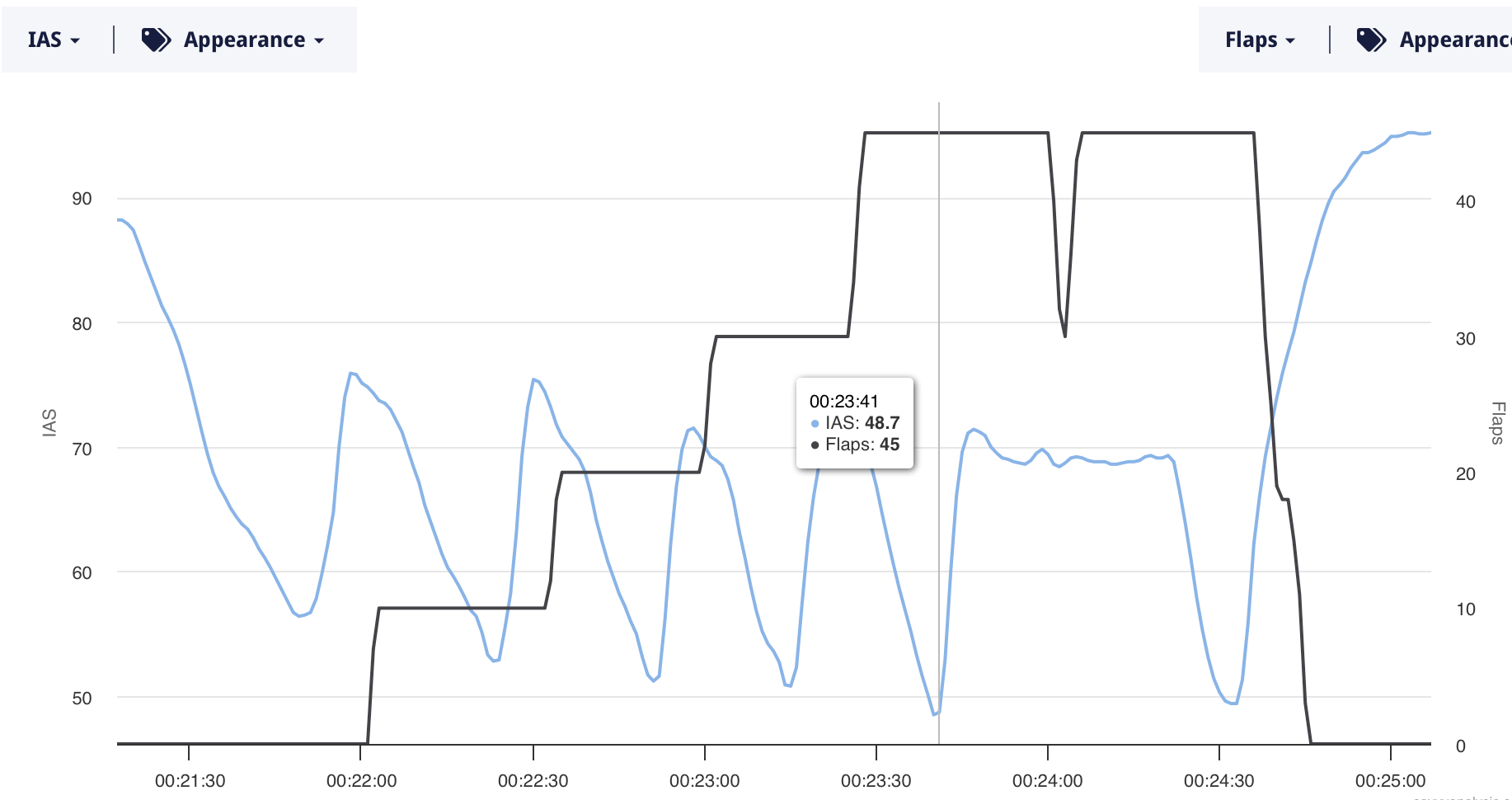
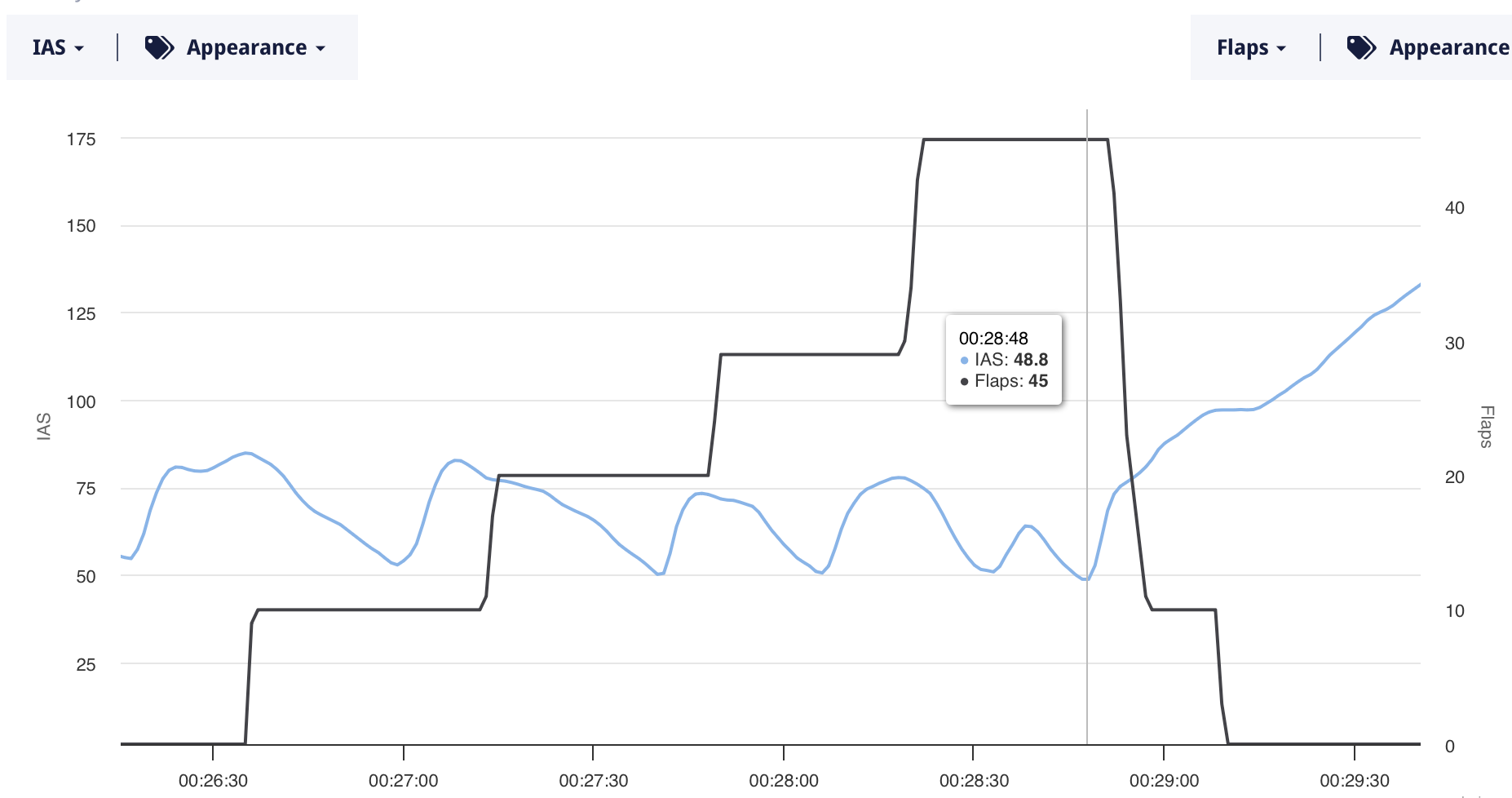
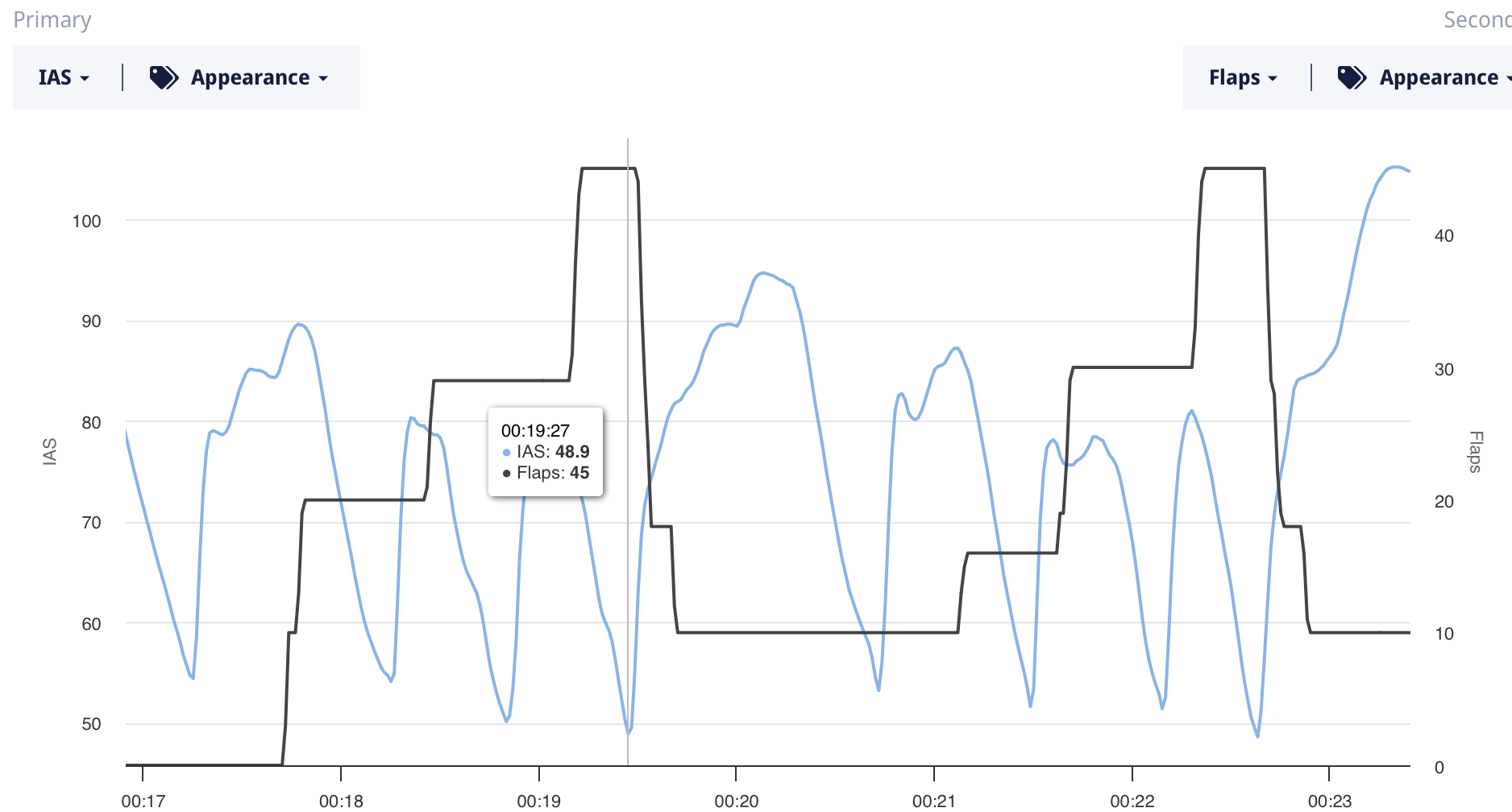
The chronology for this day records 23 stall events across four flights. That mattered because I was not trying to prove only that the airplane could stall safely. I was trying to gather enough samples, flap settings, and repeated results that the final number would feel earned.
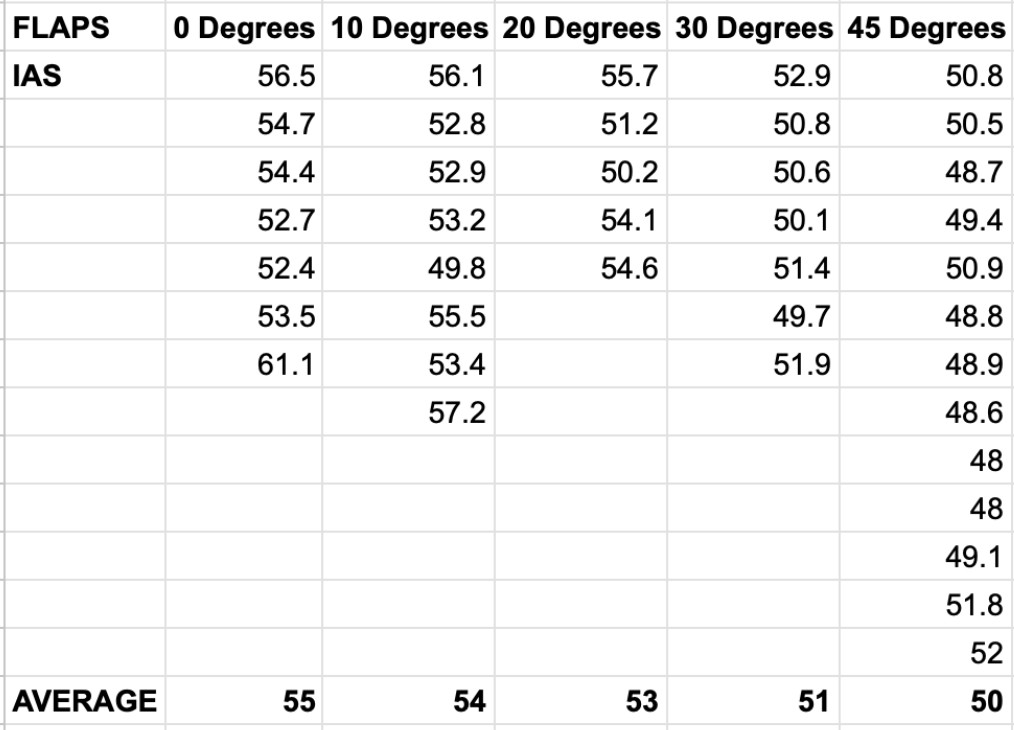
Across the day, the core pattern looked like this:
| Flap setting | Representative IAS |
|---|---|
| 0 degrees | 55.0 |
| 10 degrees | 53.9 |
| 20 degrees | 53.2 |
| 30 degrees | 51.1 |
| 45 degrees | 49.7 |
Those numbers are the real reason this post matters. They help support the bottom end of the white arc and confirm the basic landing-speed story the airplane had already started to tell in earlier flights.
How the day fit into the bigger test program
By this point in Phase 1, the airplane had already shown good general handling and healthy engine trends. That made it possible to treat stall testing less like a nervous one-off experiment and more like a disciplined data-gathering exercise.
I broke the work into multiple sorties so I could repeat the behavior, compare notes, and avoid pretending that the first clean-feeling stall necessarily told the whole truth.
July 22, 9:30
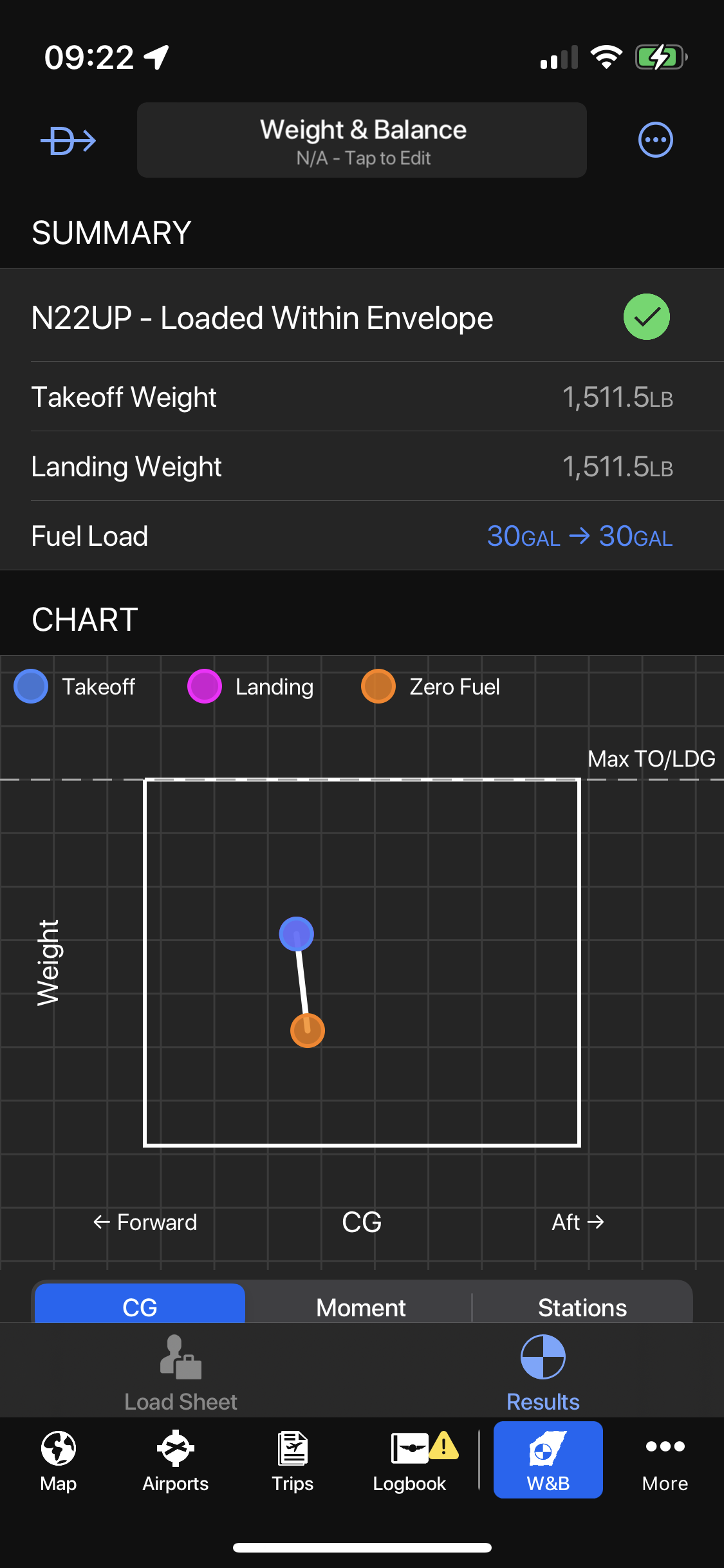
July 22, 10:30
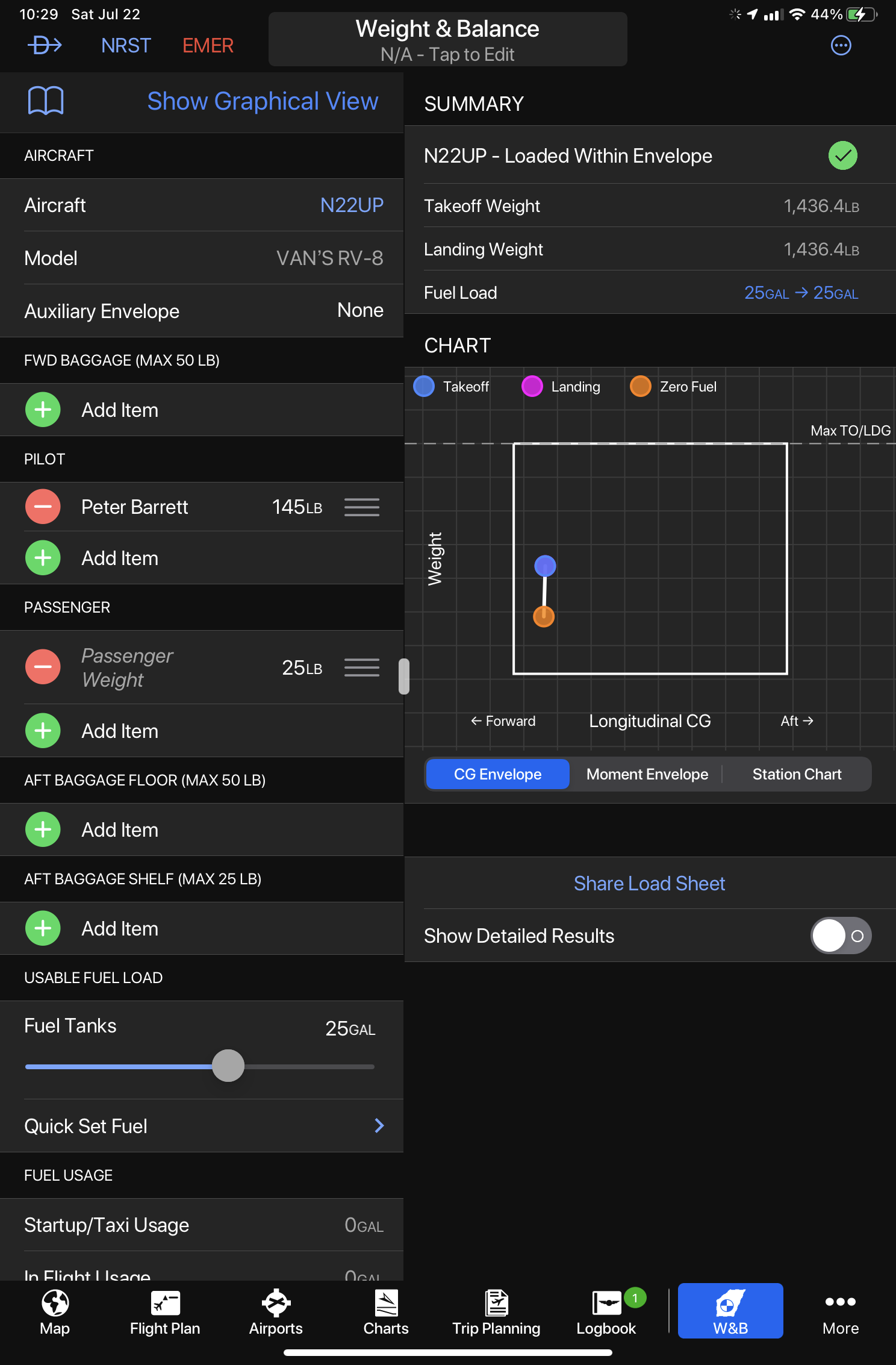
July 22, 11:33
Results
What I like about this data is that it looks both reassuring and usable.
The flap-to-speed progression behaves the way I hoped it would:
- More flap lowered the indicated stall speed.
- The changes between settings were sensible rather than erratic.
- The low end with full flap supported the approach-speed picture that had been developing since June.
That is the practical value of the day. These were not abstract numbers. They fed directly into how I thought about the airplane in the pattern and into the later operating-limits work.
Just as important, the data came from repetition. Four flights and 23 events is enough to feel like a pattern instead of a coincidence.
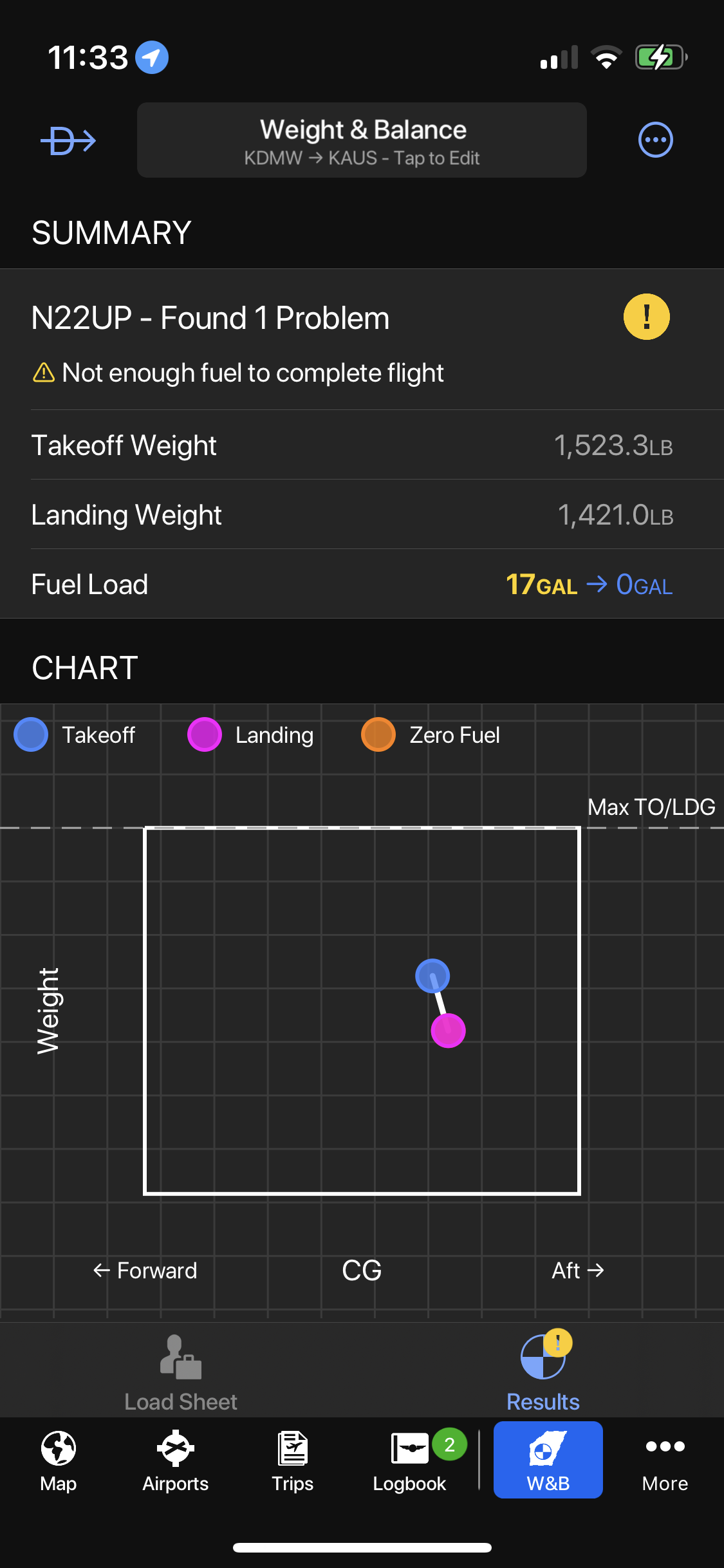
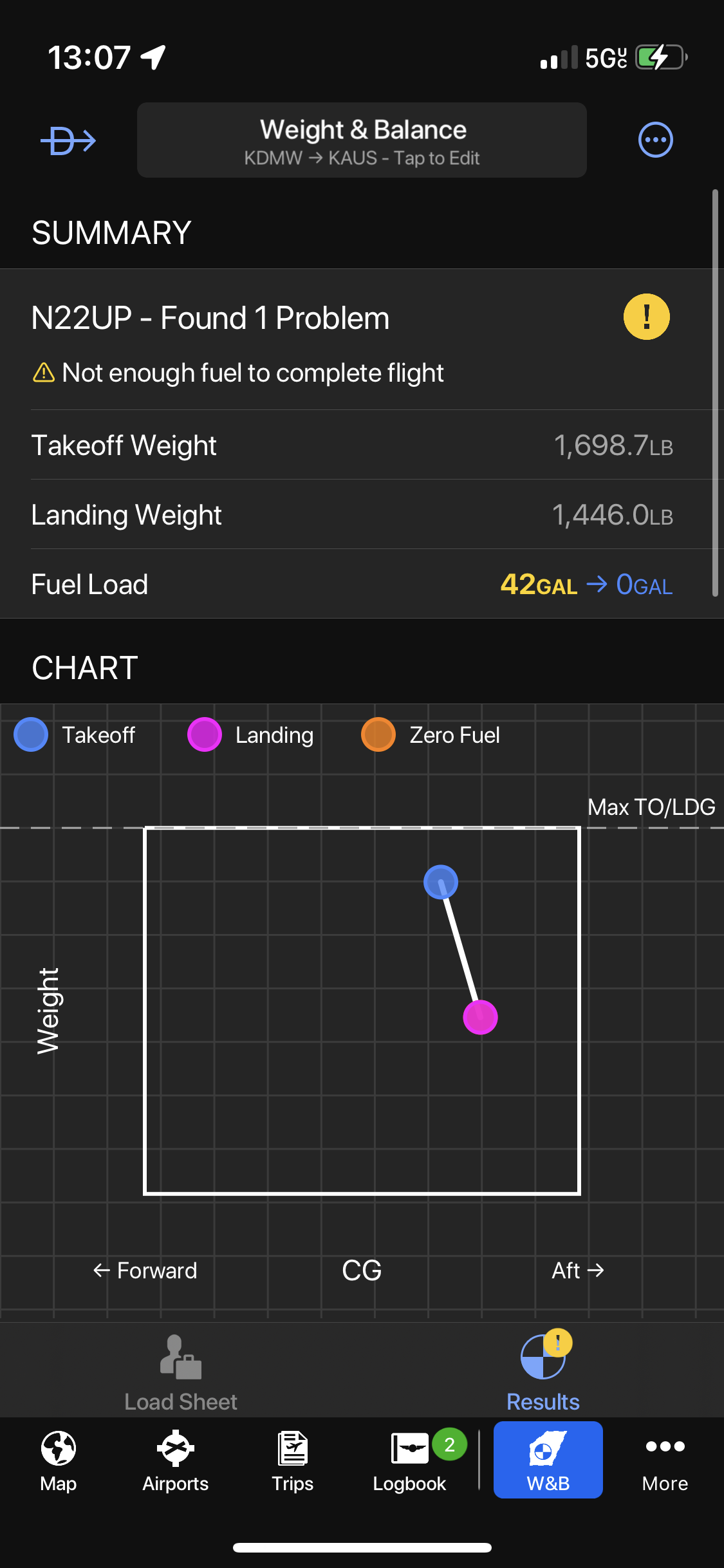
The screenshots and note sheets above preserve the original artifacts from the day. The larger significance is that July 22 was one of the flights where N22UP stopped merely seeming well-behaved and started becoming quantitatively described.