Finding Vx and Vy sounds simple until you try to do it with enough discipline that the answer is worth keeping.
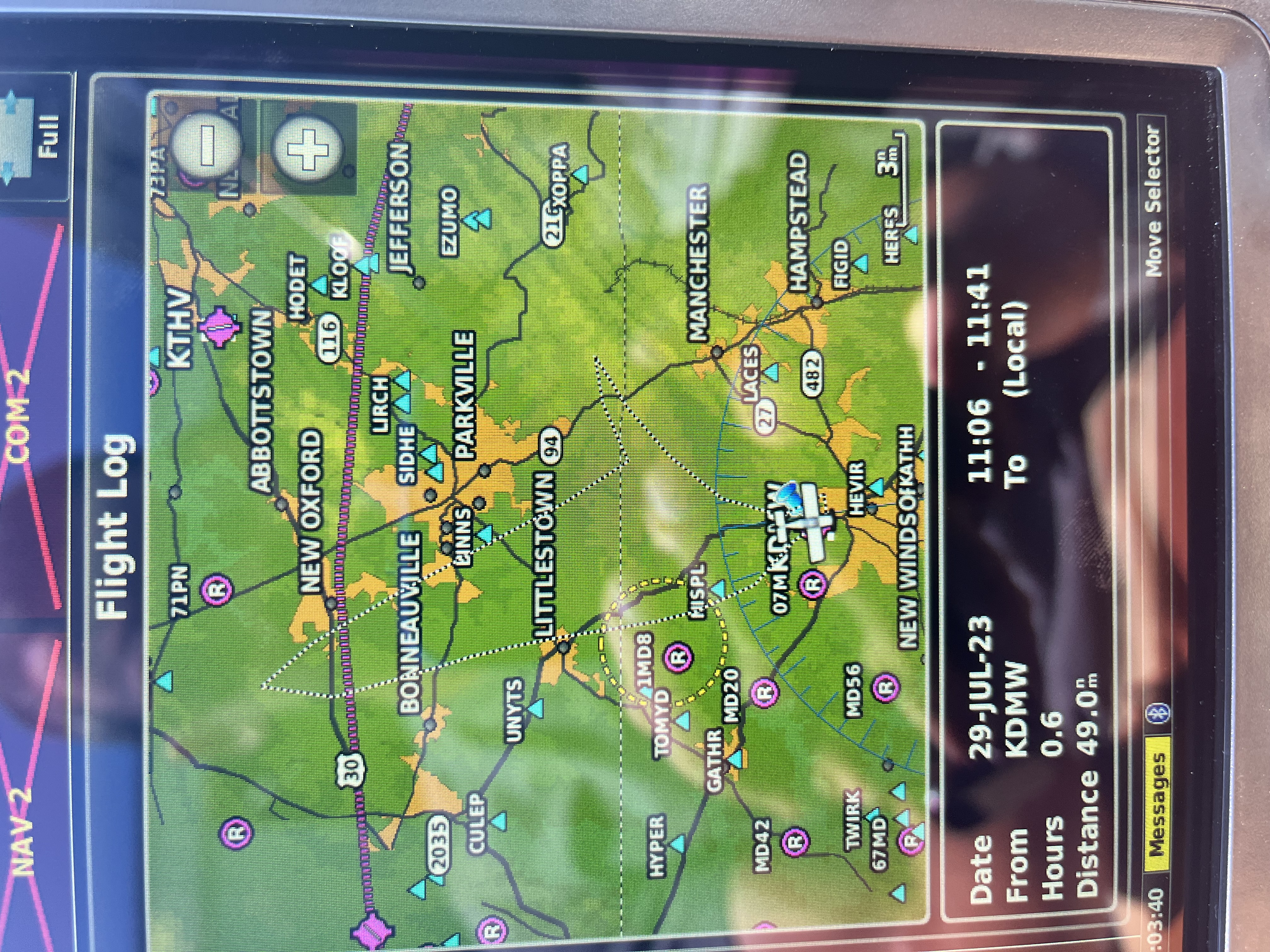
For N22UP, the answer did not come from one best-feeling climb. It came from five flights across July 29 and 30, repeated sawtooth climbs, and a deliberate effort to keep indicated airspeed where I wanted it instead of where the airplane happened to drift.
Why this took multiple flights
Climb testing is easy to oversimplify. A single spirited climb can tell you that the airplane climbs well. It cannot tell you much, by itself, about best angle or best rate.
The point of the late-July series was to compare repeated climbs at different target speeds and treat the airplane like a test article rather than a toy. That meant:
- Repeating the climb at multiple IAS targets.
- Holding maximum indicated speed below about 150 knots.
- Climbing to the same general band of altitudes, roughly 5,500 to 6,200 feet.
- Comparing the results rather than trusting memory.
That kind of repetition is not glamorous, but it is how a useful operating number gets born.
The test-card idea
The sawtooth-climb method is a good Phase 1 tool because it breaks the problem into manageable pieces. You climb at one target speed, level, reset, and then do it again at another target speed. Over several runs, the shape of the answer becomes visible.
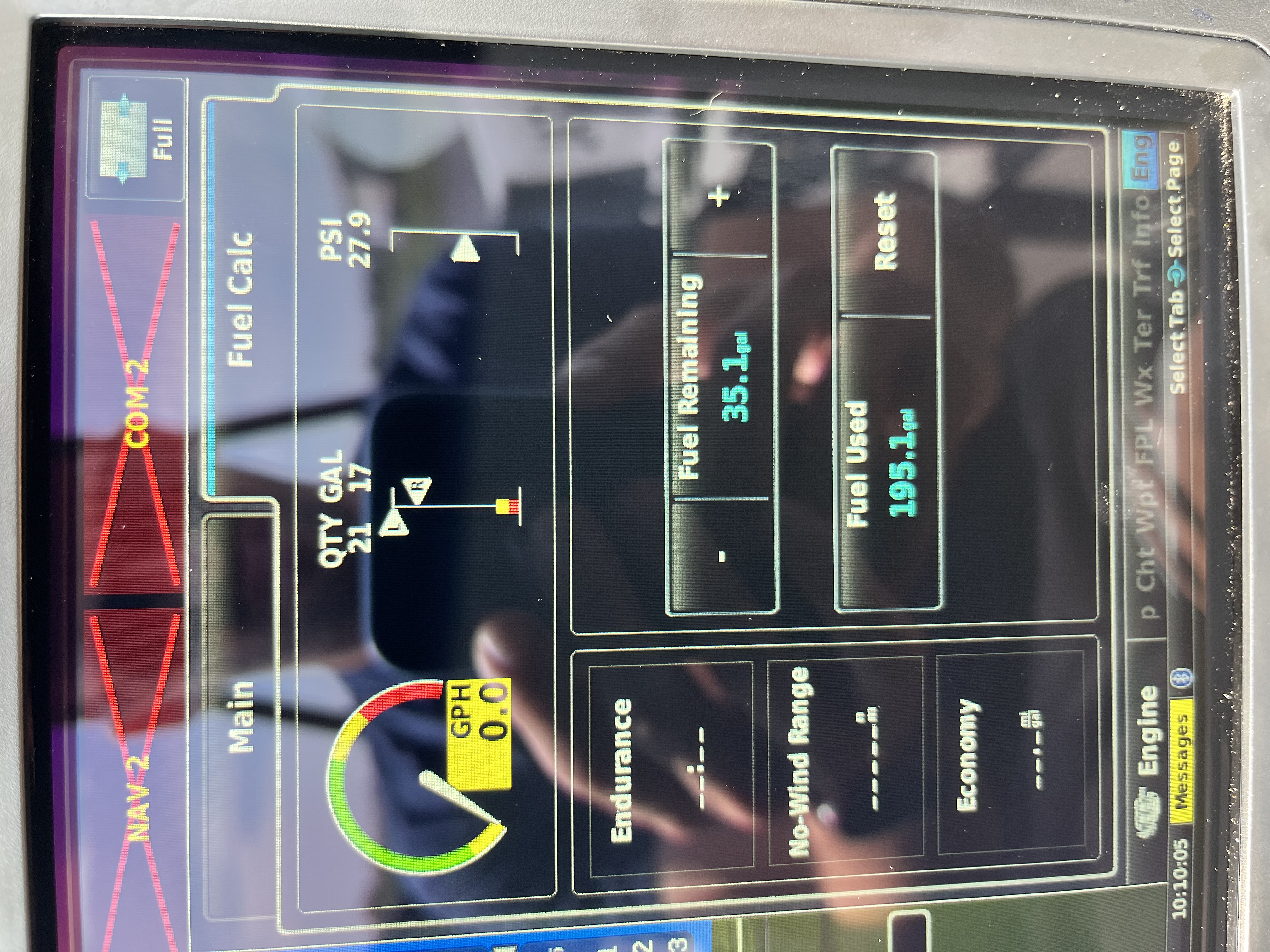
The useful thing about the N22UP chronology is that it also flags a subtle point: the spreadsheet’s climb-rate column appears to include planning values rather than directly measured rates. That is a good reminder that the raw time-series matters. The real answer lives in what the airplane actually did, not just what the test card hoped it would do.
Why this mattered in the bigger program
Vx and Vy are not trivia. They influence how confidently you can brief departures, obstacle margins, and short-field thinking. They also help complete the broader Phase 1 picture: the airplane is no longer just known to be fast and stable, but increasingly known in the specific ways that matter when a pilot actually needs a number.
By the end of July, N22UP had already built a fairly convincing record for cooling, handling, stall behavior, and airspeed indication. The climb tests belong in that same arc. They are part of how the airplane stopped being an unknown quantity and started becoming a machine with measured habits.
What I like about this test in hindsight
More than anything, I like that it required patience. There is always a temptation in a new airplane to let enthusiasm masquerade as data. Climb testing punishes that attitude quickly. If you do not repeat the runs, the answer is soft. If you do repeat them, the answer begins to settle.
That is what this two-day block represents to me. Not a dramatic breakthrough, but a willing refusal to accept the first answer just because it felt close enough.
The climb-test results also feed naturally into the later capstone post, Phase 1 Complete: 40 Hours, 64 Days, 35 Flights, because this is one of the places where Phase 1 starts to produce the operating numbers that survive long after the testing itself is over.