The first flight proved that N22UP was an airplane. The next four flights started to reveal what kind of airplane it was going to be in Phase 1, and what needed attention before the test program could really stretch its legs.
June 16: a small cooling tweak, then back into the air
The second flight was short, but it was useful. After the first-flight engine data, I added foil tape to Cylinder 1 to push a little more cooling air where I wanted it. It was the kind of modest change that is easy to forget later, but it mattered because Phase 1 is full of these small experiments.
The interesting part is not that foil tape is glamorous. It is that the airplane was already giving feedback clear enough to act on. In the early data set, the maximum CHT spread had been about 52 degrees. After the tweak, the spread dropped to about 41 degrees, and the difference between Cylinders 1 and 3 tightened substantially. That was a reassuring sign that the break-in program was producing useful information, not just noise.
June 18: the first real Phase 1 workday
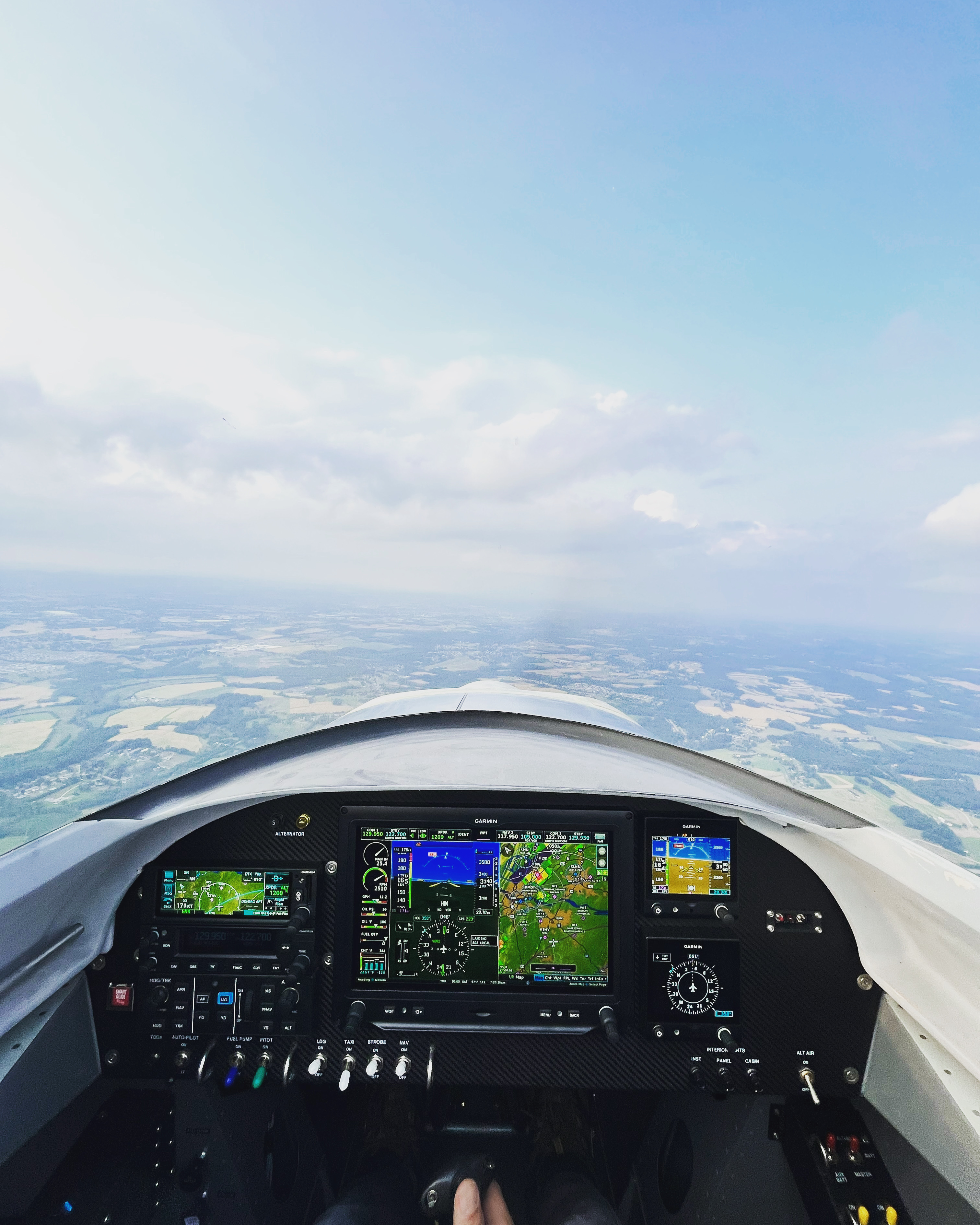
June 18 was where the pace started to feel real. There were two flights that day, and the goal was no longer simply to repeat the first flight with fewer nerves. The airplane had enough early trust to start answering more specific questions.
That included the first meaningful stall work. I was not trying to complete the full stall program yet. Engine break-in still drove the overall operating style, and I was not interested in spending long stretches loafing around at low power. But I did want to establish confidence in the basic low-speed behavior of the airplane, especially for pattern and landing work.
The early numbers were encouraging. A full-flap stall series was already pointing toward a Vso in the neighborhood of 48.5 KIAS. That was not the final answer for the white arc, but it was enough to confirm that the airplane was behaving the way an RV-8 ought to behave: honest, predictable, and easy to understand if I paid attention.
Compression and confidence
After the June 18 flying, I also did a compression check. The results were excellent for a brand-new engine:
- Cylinder 1: 78/80
- Cylinder 3: 78/80
- Cylinder 4: 78/80
- Cylinder 2: 76/80
Cylinder 2 showed a slightly wetter bottom-plug condition than the others, so it was not a totally story-free inspection, but the overall result still looked like what I hoped to see from a healthy engine early in life. That check mattered psychologically as much as mechanically. The airplane was not just surviving its first hours. It was settling in.
June 19: one more flight before the pause
Flight 5 on June 19 became the last flight before the airplane came apart for the first real maintenance phase. That is part of what makes this stretch interesting in hindsight. The June 16 to 19 sequence was not a smooth climb from milestone to milestone. It was an early negotiation between confidence and caution.
By then the broad picture was clear:
- The airplane flew well.
- Cooling trends were moving in the right direction.
- Early stall work looked normal.
- The engine was giving good signs.
- The squawk list was still real enough that it needed immediate attention.
That combination is a very Phase 1 feeling. You are pleased, because the airplane is clearly alive. You are also honest with yourself, because a small oil leak or a rubbing induction part is not something to postpone just because the airplane is fun to fly.
The bigger lesson from these flights
What I like most about this block of flying is that it turned excitement into process. The first flight was emotional and memorable, as it should have been. Flights 2 through 5 were where the airplane started to become legible.
I could see which temperatures were improving. I could see which tweaks made sense. I could see that the low-speed handling was worth trusting. And I could see that the right next move was not to keep racking up hours blindly, but to stop and fix the issues that had already shown themselves.
That pause became Maintenance Phase 1: The Tear-Down List, where the airplane stayed on the ground long enough to deal with oil leaks, wheel-pant damage, snorkel interference, and the first oil-change evidence from break-in.